Why We Pivoted to Physical AI Security
Why Secure Agentics moved from enterprise AI agent security to cognitive runtime security for physical AI: drones, robots and autonomous systems.

Back in May we launched Adrian, our open-source runtime security monitor for AI agents. Not long after, we made the biggest decision in Secure Agentics’ short life: we stopped building security for enterprise AI agents and focused on physical AI… drones, robots and other autonomous systems that act in the real world. The natural question is “why?”, and we figured it deserved a proper write-up. We’ll explore both the technical answer and a commercial answer.
Why we pivoted to physical AI
TL;DR AI agents have graduated from chatbots to coding agents to physical machines without first solving the systemic security flaws in the technology. Naturally, security tooling like ours is most needed wherever the repercussions of AI doing something it shouldn’t are the greatest: in the physical world. Our background in small, open-source models running on portable compute (like much of physical AI) meant we were already most of the way there. Commercially, enterprise agent security was turning into a commodity whilst physical AI is early, enormous and full of unsolved problems. Unsolved problems are what our team live for.
From chatbots to coding agents to robots
Let’s go back to where we started. When we first began writing about it, “AI security” mostly meant chatbots. The worst realistic outcome of a prompt injection was a model saying something it shouldn’t, or leaking its system prompt. And trust me, they were even worse than the systems today!
Then along came agents. It felt like towards the end of 2025 / start of 2026 coding agents took the world by storm. Within about 6 months they fundamentally changed the way we create and consume code, and suddenly the model wasn’t answering questions, it was running commands, editing files and pushing code. The blast radius grew substantially, as did the attacker tradecraft targeting them.
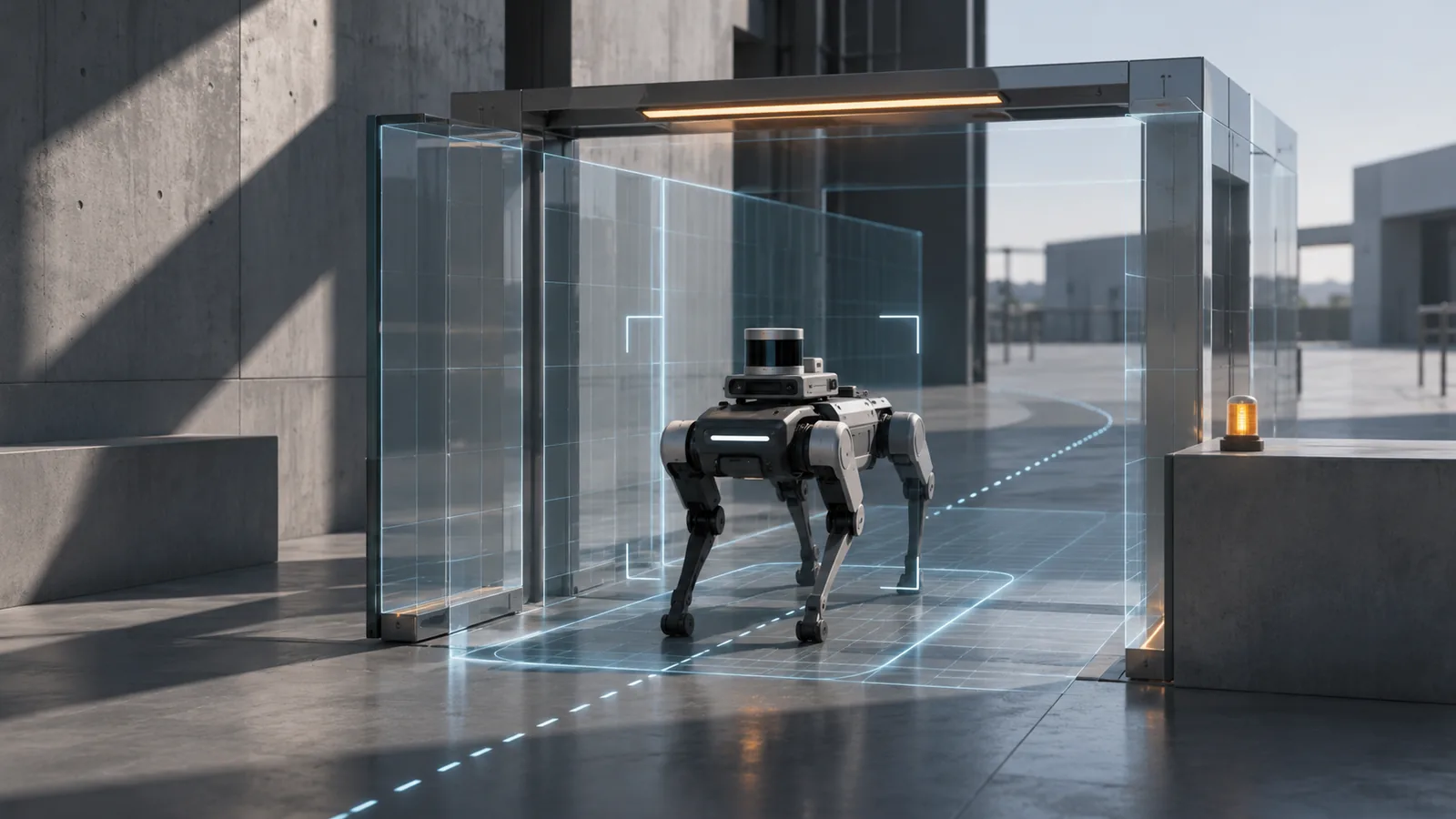
What I didn’t expect was how quickly the next step would arrive. The same family of models is now being put into machines that interact with and automate our physical lives, not just our digital ones. Drones are inspecting energy infrastructure, robots are moving around warehouses and factory floors, and autonomous vehicles are carrying paying passengers - the future we were promised when AI first started its hockey stick is partly already here, and we are not even scratching the surface of physical AI. DeepMind’s Gemini Robotics 2 release in July included an on-device model built to run locally on the robot itself, with no connection required - a pattern we saw cropping up more and more often. The perfect storm was brewing.
However, don’t forget that core problems with AI never got fixed. These models are still non-deterministic, so the same input can produce different behaviour. They are unpredictable as a result. They still can’t reliably tell the difference between an instruction from their operator and an instruction that happens to appear in the data they’re reading. Prompt injection is as unsolved today as it was when we started, and some of the research we’ve been doing recently and will be unveiling at BSides London 2026 could suggest it is even worse.
Where runtime security matters most
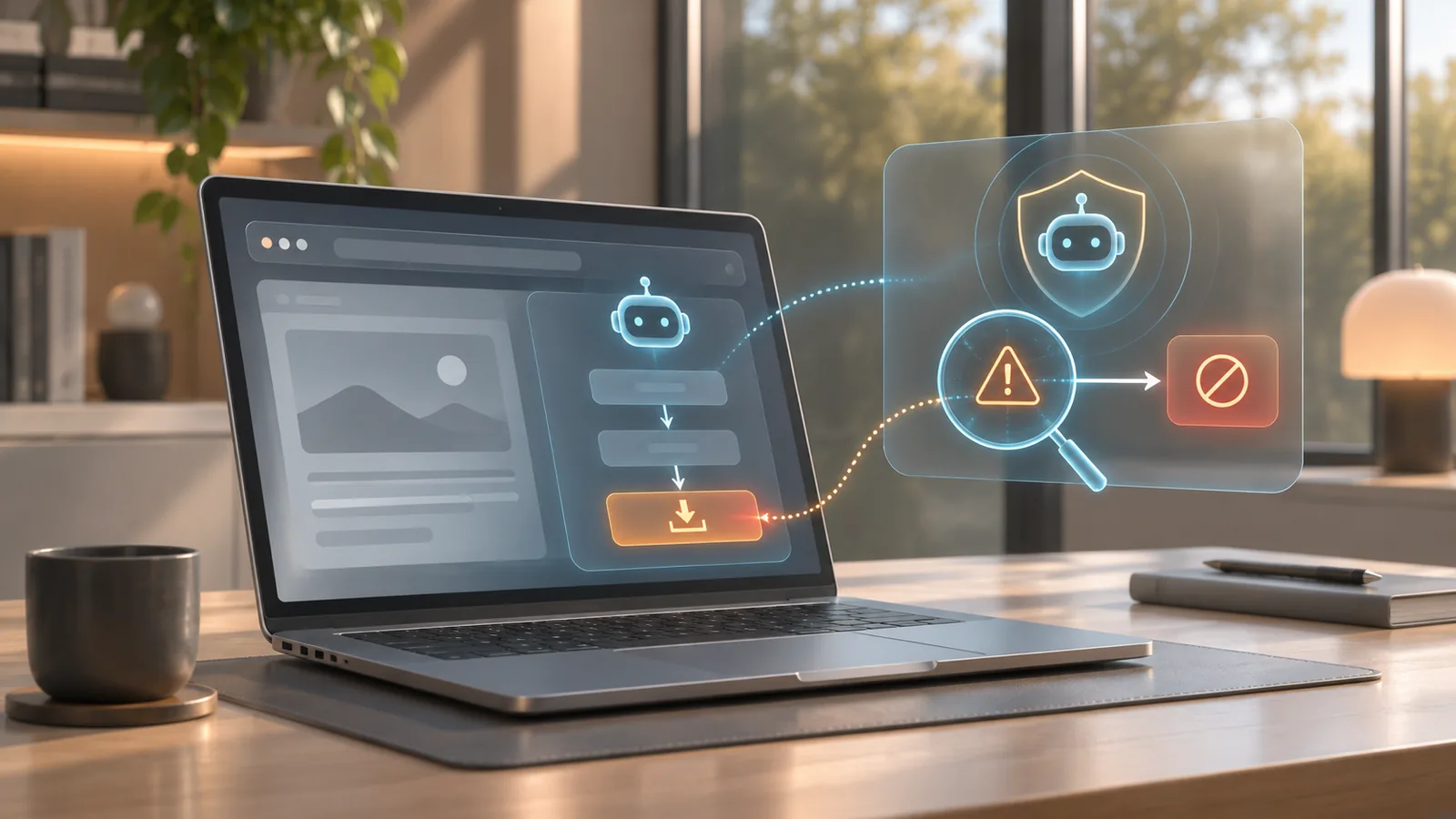
For those that don’t know, what we build is cognitive runtime security: runtime security monitoring for AI agents. Our product, Adrian, watches what an agent is doing and, importantly, why it says it’s doing it, then flags or blocks harmful actions before they become incidents.
When we looked at where that kind of technology serves the most purpose, the answer was hard to argue with. An enterprise agent that goes wrong leaks a document or sends a bad email. That is bad, but it’s recoverable. A drone that leaves its operating area, or a robot that takes an unsafe action next to a person, isn’t something you fix with a rollback. We felt that a technology like ours should be pointed at the environments where the repercussions go beyond the digital world, and ultimately where we feel human lives could be affected.
That isn’t us saying enterprise agent security doesn’t matter. It does, and plenty of good teams are working on it. It’s that if you only get to pick one problem to spend the next few years on, we’d rather it was the one with the highest stakes, most opportunity for growth and the most challenging!
We were already halfway there
This is the part that made the decision feel less like a leap and more like a natural pull.
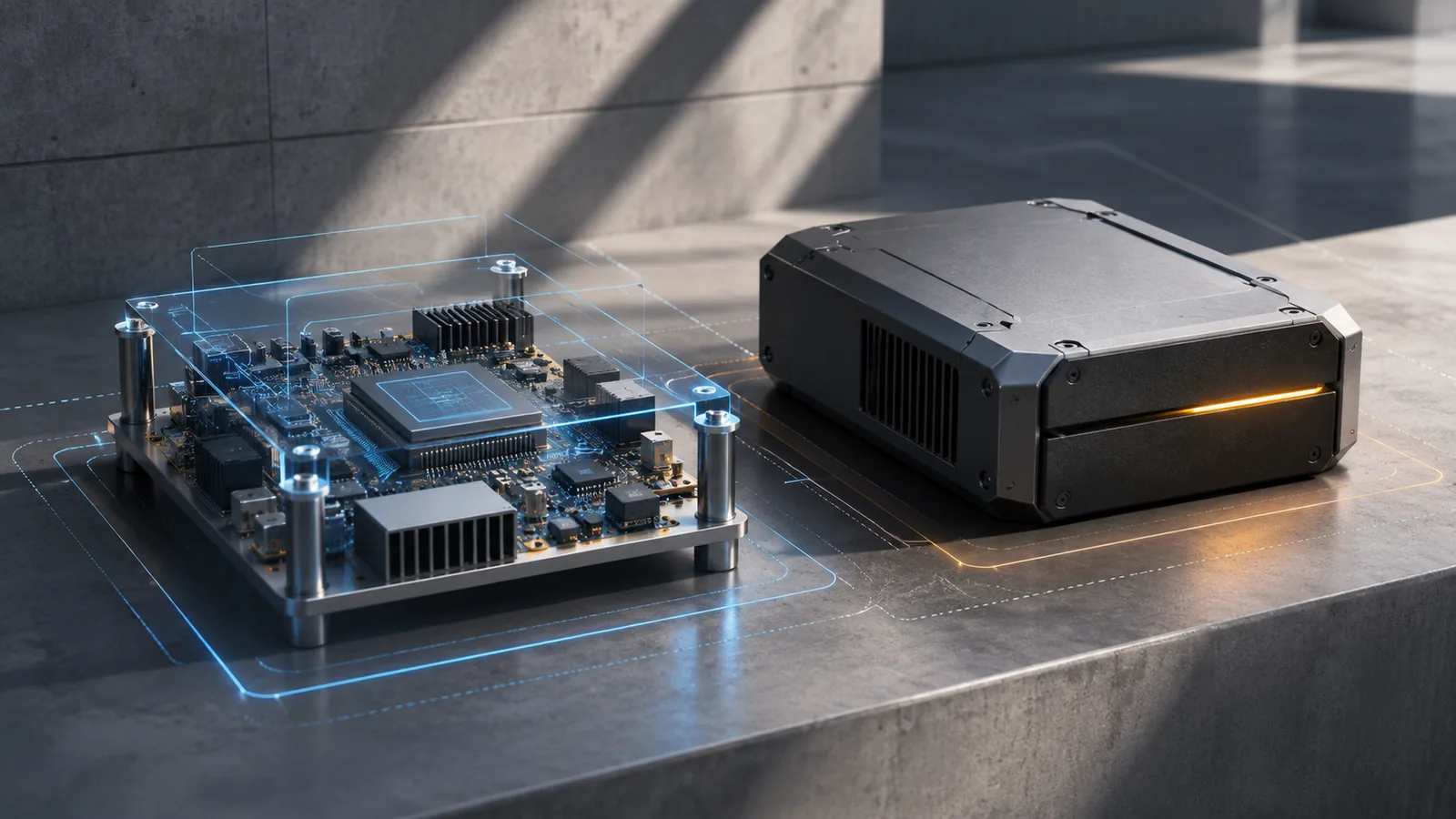
Adrian has open-source roots. From day one we were working with open-source models, and because a lot of our early users cared about keeping data on their own infrastructure, we spent a year making the whole thing run locally, offline, on small models, even deploying on a raspberry pi!
It turns out that was setting us up very well to work with physical AI. A drone can rarely wait on a round trip to a cloud API to receive its next action, and in many of these environments there’s no connection at all - think of a remote factory floor deep within an industrial complex, or a drone at 10,000 ft where cellular data doesn’t reach. So many of these systems run small language models at the edge, on constrained compute, often built on open-source foundations (we covered small language models in an earlier post if you want a refresher). We’d accidentally spent twelve months building for the constraints of a market we hadn’t entered yet.
Enterprise agent security got crowded, quickly
There was another reason that we wanted to move away from enterprise.
The enterprise agent security market got crowded, very quickly. Walk the floor at any security conference this year and you’ll see what I mean. Dozens of vendors with a version of the same thing, and buyers quite literally told us they struggled to tell them apart. Our analysis was that the winner would be decided by who has the biggest sales team, not who has the best technology.
The nail in the coffin was looking at our technology roadmap and not seeing a great deal that was novel. We were building features that some companies already had a version of. That’s perfectly reasonable for some teams, but it isn’t what we want to be as a company working at the bleeding edge of AI security, and frankly it isn’t what we’re good at.
The physical AI security problems we work on now
Compare that roadmap to the questions we are working on today.
How do you give a security monitoring system eyes? A coding agent’s world is text. A robot’s world is camera frames. If the attack arrives through the camera a monitor that only reads text is blind to it. So the monitor needs to see what the agent sees, and do it within milliseconds in a much more data rich environment.
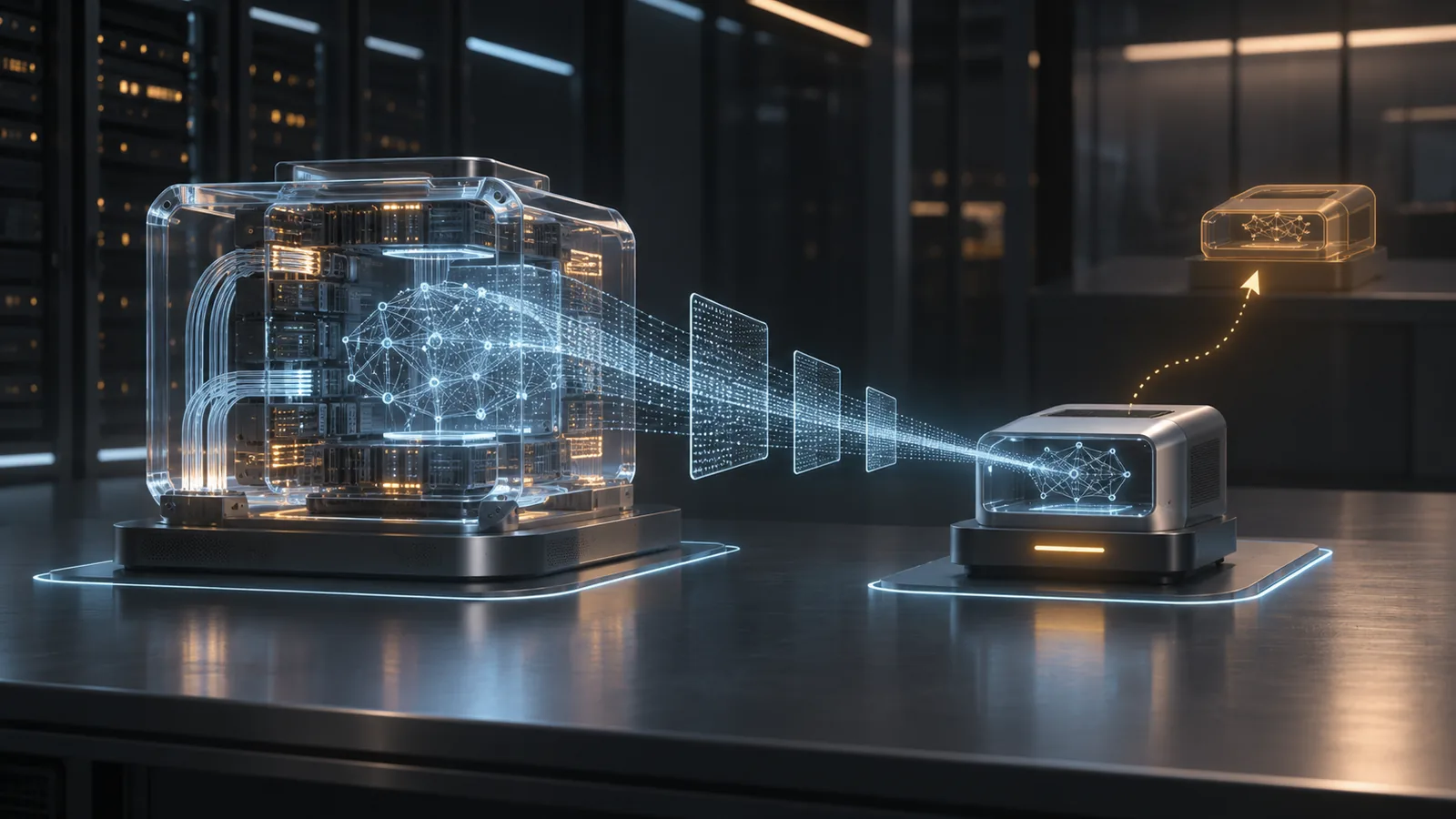
How do you maintain cognitive security at such small model sizes? Our monitor has to share a compute budget with the thing it’s monitoring. Every megabyte and millisecond we take up is one the robot / drone / etc. doesn’t get. How small can a safety model go before it stops understanding context and intent? And what’s the right blend between fast deterministic rules and a slower model that actually reasons about risk?
What new data changes the game? With a coding agent you’ve got reasoning and tool calls. A robot also has telemetry… position, battery, speed, mission plan, sensor readings. That gives you a physical ground truth to check the agent’s activity against. What new threats can we now catch?
How do you eval any of this? This is one we’ve been spending a lot of time on recently. Robotics has only recently started getting usable datasets for the core models themselves, let alone for an agent safety classifier sat on top of them. There’s no established benchmark to point at or test against. We’re building our own, with human-labelled data and simulated scenarios, but it’s hard, laborious work which we’re constantly iterating on.
Working on these has been a huge breath of fresh air for the team. Solving hard problems is our superpower, and it’s where we need to be as a team.
The commercial case for physical AI security
With that said, a company doesn’t pivot on “vibes” alone.
Physical AI is going to be the biggest market AI has produced so far, and the money is already moving. Crunchbase counted $47.4 billion of venture funding into physical AI companies in the first half of 2026, more than the whole of 2022 to 2024 combined.
Adoption, however, is a different story. TCS surveyed 300 manufacturing leaders and found only 9% had moved a physical AI pilot into operations, with just 4% running across more than five facilities. Gartner puts it at 79% piloting and 5% scaled. There are lots of reasons for that gap, and I won’t pretend security is the only one, but safety, cyber risk and trust come up again and again in these surveys as barriers. They also come up with every customer we’re speaking with. A lot of capital, not much deployment, and trust as one of the things in between. It felt like the perfect place for a company like ours to be working in.
After we made the decision the real validation only took a little bit longer to come in. Within a few weeks of pivoting we were in the room with some of the largest household-name organisations on the planet, discussing their ambitions for physical AI. It became clear very quickly that we were just scratching the surface, that this market had most of its growing still to do, and that we were early to the problem. So we doubled down.
And that, ladies and gentlemen, is why we pivoted. We’re doing the most exciting work in the industry, with some of the most exciting companies in the industry. We couldn’t be happier with this new direction. Onwards and upwards!
If you’re deploying AI in drones, robots or other autonomous systems, see how Adrian works.